
Understanding Water Leak Detection
Water leak detection is a crucial aspect of maintaining the integrity and safety of your home. Leaks can lead to significant damage over time, resulting in costly repairs and even potential health hazards caused by mold growth. Understanding how leak detection works, the technology involved, and the reasons why timely detection is vital can empower homeowners to take proactive measures in safeguarding their properties. When exploring options, water leak detection offers comprehensive insights into effective methods and technologies that ensure the timely identification of leaks.
What is Water Leak Detection?
Water leak detection involves identifying, locating, and diagnosing leaks in various plumbing systems, including water supply lines and drainage systems. It employs a range of non-invasive techniques that can pinpoint leaks without causing damage to walls, floors, or fixtures. The goal is to detect leaks as early as possible to prevent further water damage and to reduce the risk of structural issues.
Importance of Timely Leak Detection
Timely leak detection is vital for multiple reasons. A hidden water leak can cause extensive damage over time, leading to structural issues, mold growth, and increased utility bills. Monitoring for leaks can ensure that your plumbing systems function efficiently, saving homeowners money in the long run. Moreover, early detection allows for prompt repairs, minimizing disruption to your living space and preventing further complications.
Common Causes of Water Leaks
Water leaks can arise from several factors. Common causes include:
- Corrosion of pipes due to age and wear
- Improper installation of plumbing fixtures
- Extreme temperature fluctuations causing pipe expansion and contraction
- Pipe joints and fittings that are not securely fastened
- Ground movement or settling that affects underground piping
Non-Invasive Leak Detection Methods
Advancements in technology have led to the development of sophisticated non-invasive methods for detecting leaks. These techniques help homeowners identify issues without the need for disruptive excavation or demolition.
Thermal Imaging Techniques
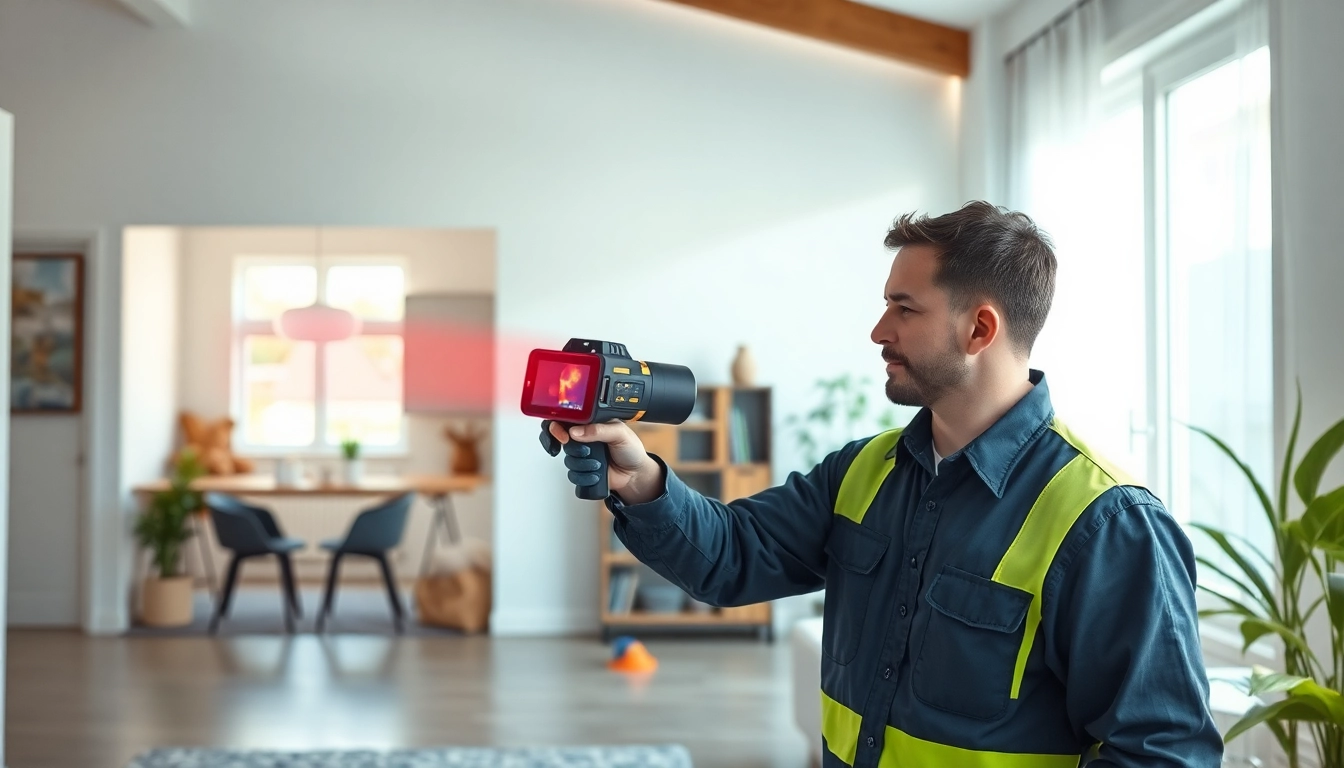
Thermal imaging cameras can detect temperature differences in areas where leaks exist. This technology works by identifying the cooler temperatures that result from water escaping from pipes. It is particularly useful in locating leaks behind walls and under floors, making it a valuable tool for leak detection specialists.
Acoustic Listening Devices
Acoustic listening devices can effectively locate leaks by amplifying the sounds of water escaping from pipes. This method is especially beneficial for underground leaks or those hidden within walls and ceilings. Technicians can pinpoint the source of the leak based on the sound frequency and intensity.
Tracer Gas Detection Explained
Tracer gas detection involves introducing a non-toxic gas into the plumbing system and monitoring it for escape. This method is particularly effective for small or hard-to-reach leaks. As the gas escapes from a compromised area, it can be detected at the surface, allowing technicians to locate the leak quickly and efficiently.
Choosing a Professional Leak Detection Service
Finding the right leak detection service provider is essential for ensuring accurate and efficient leak identification. Here are key considerations when selecting a professional service.
What to Look for in a Leak Detection Company
When considering a leak detection company, look for several key attributes:
- Experience and expertise in the field
- Positive customer reviews and testimonials
- Use of advanced leak detection technologies
- Clear communication about services offered
- Guarantees on their work and services
Benefits of Hiring Qualified Technicians
Qualified technicians bring specialized knowledge and experience, which can save homeowners time and money. They are trained to utilize the latest technologies effectively, ensuring accurate leak detection with minimal disruption. Furthermore, professional services typically offer guarantees on their work, providing peace of mind for homeowners.
Questions to Ask Before You Hire
Before hiring a leak detection company, consider asking the following questions:
- What types of leak detection technologies do you use?
- Can you provide references or case studies?
- What is your pricing structure, and do you offer a free estimate?
- Do you have certifications or licenses related to leak detection?
- What is your warranty policy on detection and repair services?
Cost and Value of Water Leak Detection Services
Understanding the cost associated with water leak detection services can help homeowners appreciate its value and budget accordingly.
Average Costs for Leak Detection in 2025
In 2025, the cost for professional water leak detection services can vary widely based on the complexity and location of the leak. On average, homeowners can expect to pay between £550 to £1,250, depending on the technology used and the severity of the leak. Investing in these services can prevent more significant losses associated with undetected leaks.
Long-term Savings from Early Detection
Investing in prompt leak detection can yield substantial long-term savings. By addressing leaks early, homeowners can avoid costly repairs resulting from extensive water damage, including mold remediation and structural repairs. Additionally, detecting leaks early can help maintain more efficient utility usage, lowering monthly water bills.
Insurance Considerations for Water Leaks
Homeowners should also consider how water leak detection and repairs align with their insurance policies. Many insurers will cover damage caused by leaks, provided that the homeowner has taken reasonable preventive measures, such as utilizing leak detection services. Understanding your insurance policy can guide you on the steps necessary to ensure coverage.
Future Trends in Water Leak Detection Technology
The field of water leak detection is continuously evolving, with new technologies and practices transforming how leaks are detected and managed.
Emerging Technologies in 2025
In 2025, emerging technologies such as AI-driven leak detection systems are gaining popularity. These systems use machine learning to analyze data trends and patterns, enabling more accurate leak detection and prediction of potential issues. Additionally, smart monitoring solutions will allow homeowners to assess their plumbing systems remotely.
Smart Home Integration for Leak Detection
As smart home technology advances, smart leak detectors are becoming an integral part of home automation systems. These devices can send alerts directly to homeowners’ smartphones when a leak is detected, providing immediate notification and minimizing potential damage.
Predictions for Water Leak Management
Looking ahead, the trend toward integrated plumbing systems that monitor usage and detect leaks will likely become more common. This will empower homeowners with real-time data about their water use, allowing for proactive management of their plumbing systems and early intervention when leaks occur.