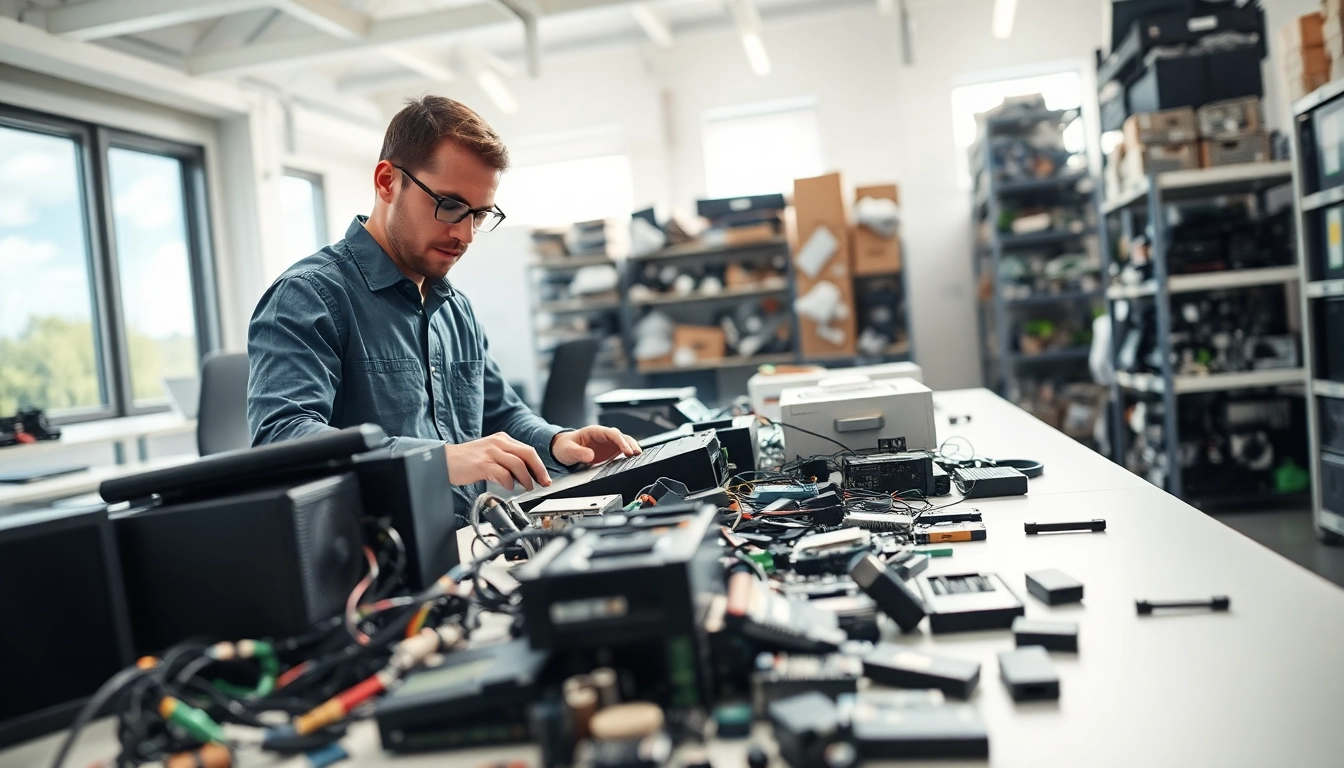
Understanding Computer Recycling Newbury
In a world increasingly reliant on technology, the disposal of electronic devices poses a significant challenge. Computer recycling is not just about getting rid of old PCs or laptops; it’s about ensuring our environment remains sustainable and our data secure. Understanding computer recycling newbury services can pave the way for responsible e-waste management.
What Is Computer Recycling?
Computer recycling refers to the process of collecting and reprocessing used or obsolete computers and their components for reuse, resale, or safe disposal. It encompasses a range of activities from simply shredding hard drives to refurbishing fully functional units for donation. Recycling helps reduce landfill waste and encourages a circular economy that prioritizes resource recovery.
The Importance of Recycling Electronics
Recycling electronics is vital for multiple reasons, including:
- Resource Conservation: Electronics contain metals and materials that can be repurposed, reducing the need for new extraction.
- Environmental Protection: E-waste contains hazardous substances such as lead, mercury, and cadmium that can contaminate soil and water.
- Energy Savings: Recycling requires less energy compared to producing new components, contributing to a lower carbon footprint.
How Computer Recycling Affects the Environment
The environmental impact of computer recycling is profound. By recycling e-waste, we can significantly mitigate the release of toxins into the environment. Furthermore, the process decreases the demand for mining new raw materials, thereby reducing habitat destruction and pollution associated with mining activities.
Finding Computer Recycling Services in Newbury
Finding reliable computer recycling services in Newbury is essential for ensuring responsible disposal practices. Here are some key considerations.
Local Collection Points for Computer Recycling Newbury
Local collection points offer convenient drop-off locations for residents and businesses. Many municipalities have designated e-waste recycling days, where individuals can bring old electronics for safe disposal without facing disposal fees. Always check for the community’s schedule of events to participate.
Evaluating Recycling Services
Not all recycling services are created equal. It’s crucial to evaluate recycling companies based on their certification, environmental policies, and customer feedback. Look for compliance with local regulations and partnerships with certified e-waste recyclers to ensure environmentally safe practices.
Community Involvement in Recycling
Community initiatives can play a vital role in promoting computer recycling. Hosting educational workshops and collaboration with local businesses can increase awareness of e-waste issues and mobilize community action. Schools can also establish e-waste collection drives, providing an opportunity for students to engage in responsible environmental practices.
Best Practices for Computer Disposal
Proper disposal of computers involves several best practices to ensure safety and responsibility.
Safe Disposal Methods for Old Computers
Safe disposal methods include recycling, donating, or reusing components. Destroy sensitive data before recycling by using software that wipes hard drives clean. Consider donating functional computers to local charities, schools, or non-profits, which can extend the life of usable technology.
Data Protection During Recycling
Data security is a crucial aspect of computer recycling. It is recommended to physically destroy hard drives or use professional services that guarantee data destruction. Always ensure that the recycling provider adheres to stringent data protection regulations and provides certificates of data destruction.
Preparing Your Computer for Recycling
Preparation involves several steps: remove any identifiable personal information, uninstall proprietary software, and clean external surfaces. Starting with a basic factory reset can ensure that your data is less accessible, although hardware destruction is the safest approach.
Challenges in Computer Recycling Newbury
Despite the importance of computer recycling, several challenges persist in Newbury, hindering effective practices.
Barriers to Effective Recycling
Barriers to recycling include a lack of public awareness, limited access to services, and uncertainty about what can be recycled. Many people are unaware of the environmental consequences of improper disposal, resulting in e-waste ending up in landfills rather than recycling facilities.
Common Misconceptions About E-Waste
Myths surrounding e-waste disposal, such as believing that older tech has no resale or recycling value, can be detrimental. In truth, many components like metals and plastics can be effectively recycled or reused, providing economic value and environmental benefits.
Solutions to Enhance Recycling Efficiency
To combat these challenges, raising awareness through community education and establishing more convenient recycling drop-off locations can enhance participation. Outreach programs can help demystify recycling processes and encourage responsible disposal habits.
Future of Computer Recycling in Newbury
The landscape of computer recycling is continuously evolving, influenced by technological advancements and environmental considerations.
Trends in E-Waste Management
Future trends include increased regulation on e-waste and the development of circular economy models, where manufacturers take responsibility for their products beyond the point of sale. Legislation may require companies to establish take-back programs to ensure responsible end-of-life disposal for consumers.
Innovative Technologies in Recycling
Emerging technologies, such as advanced sorting systems and automated dismantling robots, are reshaping how e-waste is processed. These innovations can enhance the efficiency and effectiveness of recycling, increasing the recovery rates of valuable materials.
How Citizens Can Advocate for Better Practices
Citizens play a critical role in advocating for better recycling practices. Engaging with local governments, supporting policies that promote sustainable technology use, and participating in local e-waste recycling programs contribute to a healthier environment and a sustainable future.
FAQs About Computer Recycling Newbury
1. What can I recycle at local computer recycling services?
You can recycle computers, monitors, printers, and various electronic components. Always check with local services for specific accepted items.
2. How can I ensure my data is safe when recycling?
Data safety can be assured by erasing hard drives using reliable software or physically destroying them before recycling your computer.
3. Are there any fees associated with computer recycling?
Many local recycling programs are free, especially during special e-waste collection events. However, some providers may charge fees for certain services.
4. Can donated computers really help others?
Yes, donating functional PCs to charities, schools, or nonprofits can provide valuable technology resources for those in need and extend the life of the computer.
5. What is the environmental impact of e-waste?
E-waste can leach hazardous substances into the environment if not disposed of properly. Recycling mitigates this risk and conserves natural resources.