
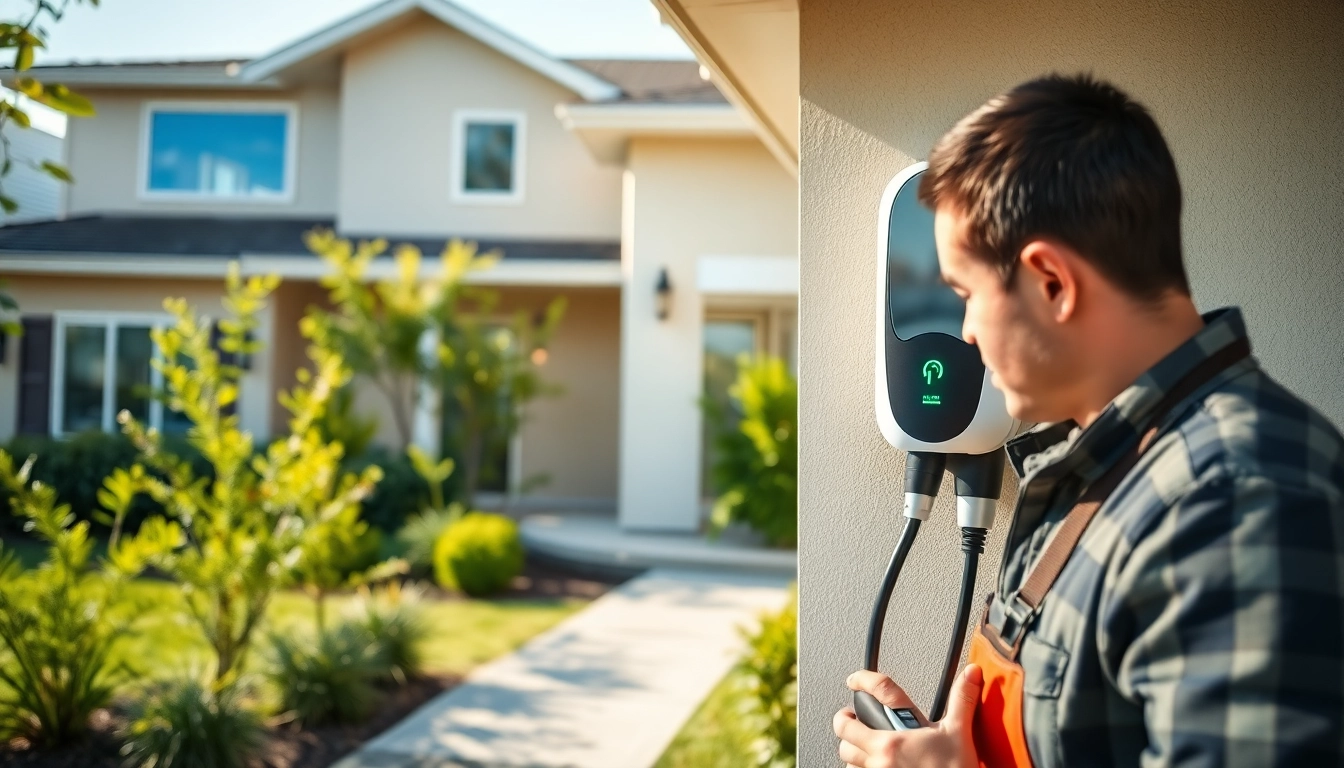
Understanding Electric Vehicle Charging Needs
The transition toward electric vehicles (EVs) is reshaping the automotive landscape, and understanding the charging needs is essential for homeowners looking to optimize their EV experience. Having a solid charge infrastructure like McNally EV can play a critical role in this shift, providing convenience and efficiency. This guide dives deep into why a home charging solution is not just a luxury, but a necessity for every EV owner.
Why McNally EV is Essential for Homeowners
As more homeowners adopt electric vehicles, the need for efficient charging solutions has become paramount. McNally EV is designed to meet these needs by providing fast and reliable home charging solutions. By installing a home charger, homeowners not only save money on fuel costs but also gain the ability to charge their vehicles overnight or whenever necessary, making electric vehicle ownership easier and more accessible.
Benefits of Installing a Home Charger
- Cost Savings: Home chargers significantly reduce the cost per mile compared to petrol or diesel.
- Convenience: EV owners can charge their vehicles overnight without any hassle.
- Increased Property Value: Homes with EV charging stations may have higher market appeal.
- Environmental Impact: Charging at home, especially with renewable energy sources, enhances the sustainability of using an EV.
Exploring Different Charger Types
When it comes to home chargers, it’s crucial to understand the different types available:
- Level 1 Chargers: These plug into a standard 120V outlet and are slow, taking 8-12 hours for a full charge.
- Level 2 Chargers: Require a 240V outlet and charge vehicles in 4-6 hours. Ideal for home installation.
- DC Fast Chargers: Used primarily in commercial settings, they charge much faster but are not practical for home use.
Choosing the Right Space for Installation
Choosing where to install your EV charger is an essential aspect of optimizing charging efficiency. The right location can enhance usability and safety.
Evaluating Your Home’s Electric Capacity
Before installation, it’s critical to evaluate your home’s electrical system. Most residential systems support a standard load well, but older homes may need upgrades to accommodate Level 2 chargers efficiently. Consulting a professional can provide insights into potential upgrades and ensure the safety of your electrical system.
Best Locations for Charger Installation
Identifying the best location for installation involves assessing proximity to parking areas and existing electrical outlets. Common placements include:
- Garages: Offers protection from the elements and easy access to the vehicle.
- Driveways: Ensures easy access during charging sessions.
- Outside Walls: Suitable for homes without a garage, given proper weatherproofing.
Factors to Consider for Accessibility
Accessibility is a key factor when choosing the location of your EV charger. Consider the following:
- Ease of Set-Up: Choose a location that minimizes installation complexity and costs.
- Visibility: Install the charger in a spot that is easy to detect, reducing the risk of accidental collisions.
- Safety: Ensure ample space around the charger to avoid obstructions and hazards.
Installation Process of McNally EV Chargers
The installation process is critical for ensuring both safety and functionality. Understanding how to achieve this effectively contributes to a seamless experience.
Tools and Equipment You’ll Need
Before starting the installation, gather necessary tools and equipment:
- Voltage Tester: To ensure power is off during installation.
- Screwdrivers: For attaching the charger to the wall.
- Cable Cutters: To adjust wire lengths as necessary.
- Drill: For making holes in walls for mounting.
Step-by-Step Installation Guide
Follow these steps for a successful installation:
- Turn off power at the breaker to ensure safety.
- Mount the charger on the wall, following manufacturer instructions.
- Wire the charger according to the electrical requirements, ensuring secure connections.
- Attach the charger to the power supply and double-check all connections.
- Turn on the power and test the charger to ensure functionality.
Safety Precautions During Installation
Safety should be a priority throughout the installation process. Key precautions include:
- Wearing safety goggles and gloves to protect against injury.
- Verifying that the power source is truly off before starting work.
- Following all local electrical codes and regulations.
Maintenance of Your McNally EV Charger
Maintaining your charger is crucial for its longevity and performance. Routine checks can prevent unexpected issues.
Regular Checks and Best Practices
Routine maintenance can extend the lifespan of your charger. Regular checks should include:
- Inspecting for wear or damage on cables.
- Regularly cleaning the charging unit to enhance efficiency.
- Scheduling annual checks by a qualified electrician.
Signs Your Charger Needs Attention
Be vigilant for warning signs that indicate your charger may require maintenance:
- Unusual noises during operation.
- Intermittent charging failures.
- Visible wear on the unit or surrounding area.
Professional Maintenance Services
When in doubt, seeking professional maintenance is the best route. Skilled technicians can diagnose and repair any issues efficiently, ensuring your charger remains in optimal condition.
Maximizing Efficiency and Savings
To get the most out of your EV charging solution, it’s essential to consider efficiency and operational costs.
Understanding Charging Costs
Having a clear understanding of your charging costs is vital. Factors influencing costs include:
- Type of charger: Level 2 chargers are typically more efficient.
- Local electricity rates: Costs can vary by region and time of use.
- Charging habits: Regularly charging during off-peak hours can lead to savings.
Utilizing Off-Peak Charging Periods
Charging your vehicle during off-peak hours can result in significant savings. Many utility companies offer reduced rates during these times, making it easier on your budget while providing the same convenience.
Incentives and Rebates for Home Chargers
Many regions offer rebates and incentives for the installation of home chargers. It’s beneficial to research these opportunities as they can help offset installation costs considerably.
FAQs
1. How long does it take to install a home EV charger?
Typically, installation takes between 2 to 4 hours, depending on the complexity and necessary electrical upgrades.
2. What is the average cost of a home EV charger?
The average cost of a home EV charger ranges from £500 to £1,500, not including installation fees, which may vary.
3. Can I install an EV charger myself?
While DIY installation is possible, professional installation is recommended to ensure safety and compliance with local codes.
4. Are there tax incentives for EV charger installation?
Yes, various regions offer tax credits or rebates for installing residential EV chargers, helping reduce the initial investment.
5. How do I know if my home electrical system can support a charger?
A licensed electrician can evaluate your home’s electrical capacity to determine if upgrades are necessary for charger installation.