
 By admin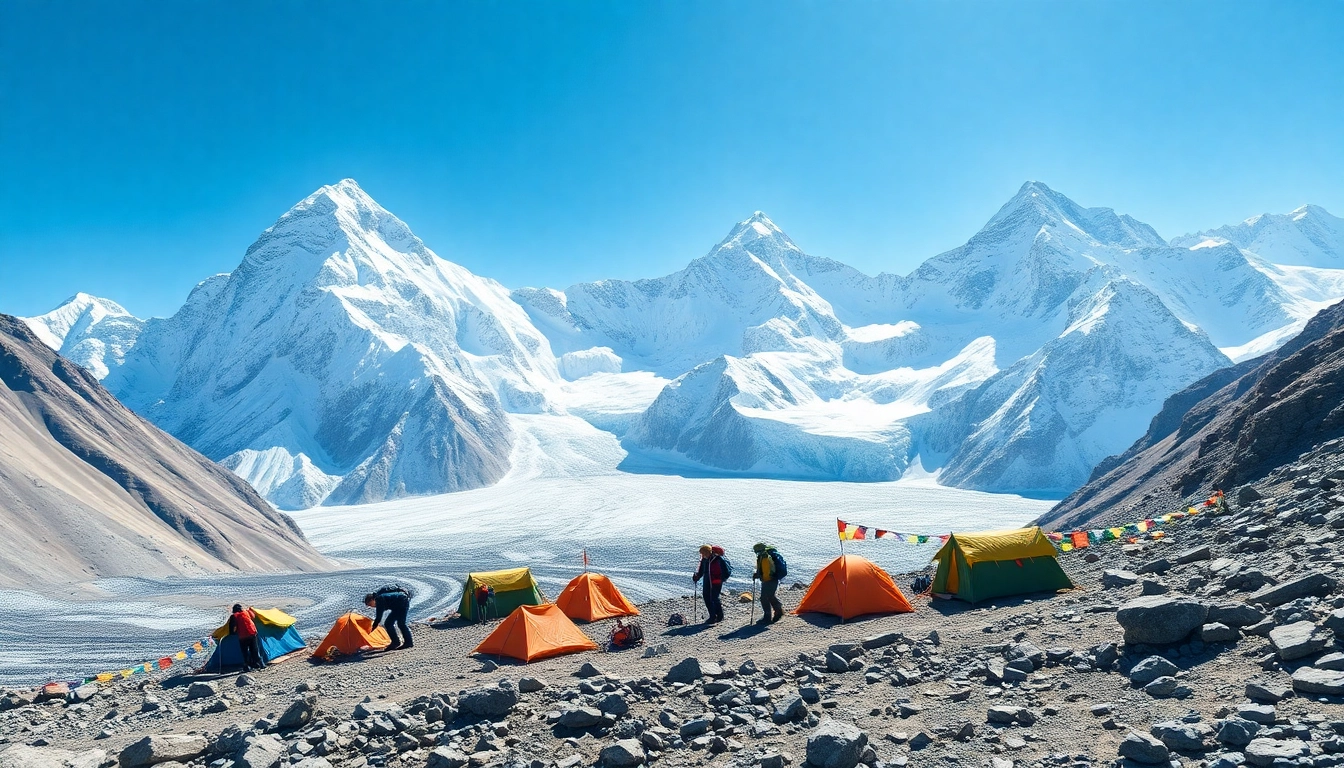
Overview of Everest Base Camp Trek
The Everest Base Camp Trek (EBC) is more than just a hike; it’s a journey into the heart of the Himalayas and a life-changing experience for adventurers from around the globe. This trek, leading to the foot of the world’s highest peak, Mount Everest, allows trekkers to immerse themselves in an unparalleled natural environment, rich cultural heritage, and the captivating spirit of the Sherpa people. Spanning approximately 130 kilometers round trip, the trek showcases some of the most breathtaking landscapes on earth, with lush forests, serene rivers, and towering snow-capped peaks. As you traverse the rugged trails, you’ll encounter ancient monasteries, vibrant Sherpa villages, and an array of rare wildlife, all while adapting to the increasing altitude. When planning your adventure, exploring options at Everest base camp can offer invaluable insights to ensure an unforgettable journey.
What is the Everest Base Camp Trek?
The Everest Base Camp Trek is a popular trekking expedition that leads you through the Khumbu region of Nepal, culminating at the base camp of Mount Everest, at an elevation of 5,364 meters (17,598 feet). It is not only a physical challenge but also a cultural odyssey, as trekkers are given the opportunity to experience the unique traditions and way of life of the Sherpa communities along the route. Each day of the trek is designed to acclimatize your body to the altitude while showcasing the stunning vistas of the surrounding peaks.
Key Highlights of the Trek
- Stunning Himalayan Views: The trek offers panoramic views of some of the highest peaks in the world, including Lhotse, Nuptse, and Ama Dablam.
- Cultural Experiences: Engage with the local Sherpa culture through visits to monasteries and traditional villages.
- Wildlife Encounters: Spot rare wildlife, such as the red panda and Himalayan tahr, along the trekking route.
- Acclimatization Days: These are strategically placed to help your body adjust to higher altitudes, reducing the risk of altitude sickness.
- Kala Patthar: This renowned viewpoint at 5,545 meters (18,192 feet) provides one of the best vantage points for viewing Mount Everest.
Why Choose Everest Base Camp in 2025?
Planning your trek for 2025 opens up opportunities to experience the Everest region with fewer crowds compared to previous years. With advancements in infrastructure and better weather forecasting, this period is expected to offer optimal trekking conditions. Furthermore, 2025 marks an extraordinary year in the adventure tourism sector as Nepal strives to promote sustainable tourism practices, ensuring that your journey is both impactful and responsible.
Itinerary for the Everest Base Camp Trek
Day-by-Day Breakdown of the Trek
The EBC trek typically spans 14 days, with a detailed itinerary designed to maximize your experience while considering acclimatization needs:
- Day 1: Arrive in Kathmandu – Transfer to hotel and prepare for your adventure.
- Day 2: Fly to Lukla and trek to Phakding – Enjoy stunning mountain views along the way.
- Day 3: Trek to Namche Bazaar – A bustling Sherpa town, perfect for acclimatization.
- Day 4: Acclimatization Day – Hike to Hotel Everest View and return for breathtaking views.
- Day 5: Trek to Tengboche – Visit the famous Tengboche Monastery.
- Day 6: Trek to Dingboche – Experience the scenic beauty and local culture.
- Day 7: Acclimatization Day – Hike to Nangkartsang Peak for panoramic views.
- Day 8: Trek to Lobuche – Prepare for the final push to base camp.
- Day 9: Trek to Everest Base Camp and back to Gorak Shep – Witness the grandeur of the Khumbu Glacier.
- Day 10: Early hike to Kala Patthar – Return to Gorak Shep for breakfast.
- Day 11: Trek to Pheriche – Descend back through the scenic trails.
- Day 12: Trek to Namche Bazaar – Revisit the vibrant village atmosphere.
- Day 13: Trek to Lukla – Celebrate your achievement.
- Day 14: Fly back to Kathmandu – End of your Everest adventure.
Acclimatization Days Explained
Acclimatization is vital for any trek at high altitudes. During the EBC trek, two specific days are set aside for acclimatization: one in Namche Bazaar and another in Dingboche. These days allow trekkers to ascend to higher altitudes and return to rest, helping their bodies adjust to decreased oxygen levels. It’s strongly recommended not to rush through these phases; they are key to a successful trek.
Best Times to Undertake the Journey
The best time to embark on the Everest Base Camp Trek is during the spring (March to May) and autumn (September to November). These seasons offer stable weather conditions, clear skies, and comfortable temperatures. Spring showcases blooming rhododendrons, while autumn provides stunning fall foliage, enhancing your trekking experience. Though trekking is possible year-round, it’s advisable to avoid the monsoon season due to heavy rainfall and potential landslides.
Preparation for the Everest Base Camp Trek
Physical Training and Fitness Requirements
Preparing for the trek demands a certain level of fitness. Ideally, trekkers should engage in cardiovascular activities and strength training several weeks before departure. Building endurance through hiking on inclined terrains while gradually increasing pack weight can significantly enhance performance during the trek. Consulting a fitness professional for a tailored training regimen is also advisable.
Packing List for Success
A well-planned packing list ensures that trekkers are prepared for the diverse conditions encountered throughout the adventure. Essential items include:
- Durable trekking boots
- Insulated sleeping bags rated for -15°C
- Layered clothing to adapt to varying temperatures
- Hydration systems or water bottles
- First aid kits and personal medications
- Energy snacks and protein bars
Travel Insurance and Safety Measures
Travel insurance is mandatory for the Everest Base Camp Trek. Ensure your policy covers high-altitude trekking activities, emergency evacuation, and medical coverage. This provides peace of mind during your journey, allowing you to focus on the experience while being prepared for any unforeseen circumstances.
Cost and Inclusions for the EBC Trek
Overall Cost Breakdown for 2025
The cost of the Everest Base Camp Trek varies based on the services included, group size, and specific itineraries. As of 2025, expect costs to range from approximately $1,650 to $4,500 depending on your choice of trekking package. Ace the Himalaya offers competitive pricing while ensuring high standards of service and safety.
What’s Included in Trek Packages?
Typical inclusions in trek packages consist of:
- Domestic flights to and from Lukla
- Accommodation in guesthouses along the trek
- Meals during the trek
- Experienced guides and porters
- All necessary permits and entrance fees
Additional Expenses to Consider
While the major costs are covered in your trek package, you should budget for additional expenses such as snacks, beverages, tips, and potentially extra nights in Kathmandu due to flight delays. Typically, setting aside $150 for these extras is advisable.
Expert Tips for a Successful Trek
Common Challenges and How to Overcome Them
Several common challenges can arise during the Everest Base Camp Trek, such as altitude sickness, weather changes, and physical fatigue. To overcome these, maintain a slow and steady pace, stay hydrated, and be receptive to your body’s signals. If symptoms of altitude sickness occur, descend to a lower altitude immediately and seek medical assistance if necessary.
Best Practices for Trekking at High Altitudes
To ensure a safe and enjoyable trek at high altitudes, consider the following best practices:
- Prioritize acclimatization days
- Stay hydrated by drinking ample fluids
- Consume high-carb meals to sustain energy levels
- Monitor your health regularly and communicate any concerns with your guide
Future Trends in Everest Base Camp Trekking
With growing awareness around sustainable tourism, future trends in Everest Base Camp trekking are leaning towards eco-friendly practices, such as reducing waste and supporting local communities. Trekking companies are increasingly focusing on minimizing their environmental footprint and promoting responsible tourism, ensuring that the breathtaking landscapes and cultural richness of the region can be preserved for future generations.