 By Alice Yates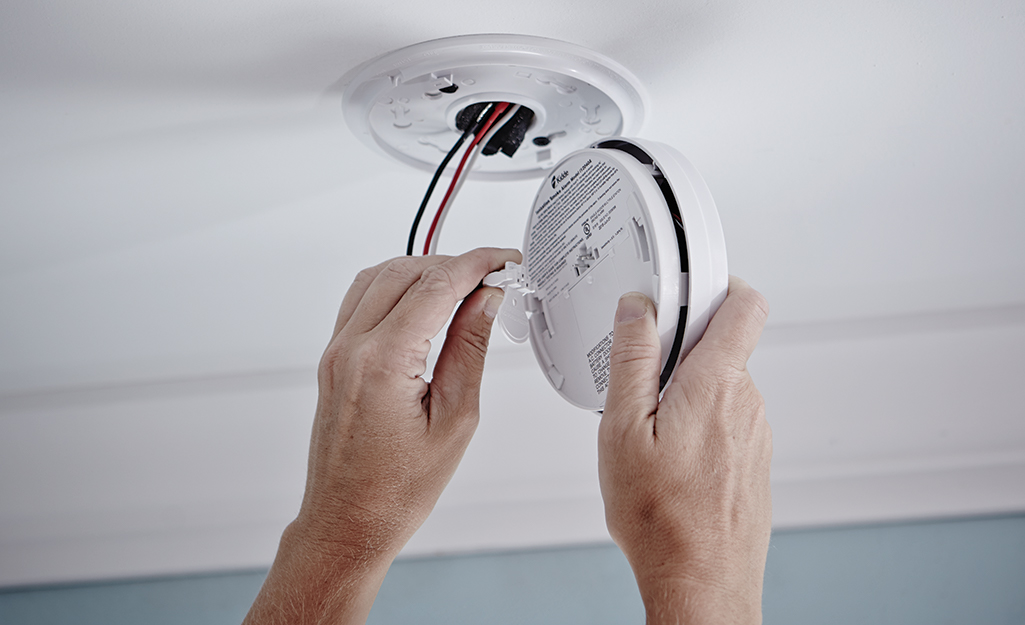
Smoke alarms are a critical component of home safety, and proper smoke alarms installation can significantly reduce the risk of fire-related injuries and property damage. For homeowners, understanding the best practices for smoke alarms installation is essential to ensure these devices function effectively. Smoke alarms installation requires careful placement, regular maintenance, and awareness of local safety regulations. In this article, we will explore comprehensive smoke alarms installation tips, highlight important considerations, and provide practical advice for maximizing home safety. From selecting the right type of alarm to adhering to safety codes, following these smoke alarms installation strategies will help protect your family and property from unexpected fire hazards. Effective smoke alarms installation is not just about putting devices on the ceiling; it involves strategic planning and proper understanding of fire safety principles.
Understanding the Importance of Smoke Alarms Installation
Why Proper Placement Matters
Correct smoke alarms installation is crucial because improper placement can compromise a device’s ability to detect smoke early. Smoke rises, so alarms should be installed on ceilings or high on walls. Avoid placing smoke alarms near vents, fans, or areas with high humidity like bathrooms and kitchens, as these conditions can trigger false alarms or reduce sensitivity. Understanding these placement rules is essential for effective smoke alarms installation and overall home safety.
Types of Smoke Alarms to Consider
There are two main types of smoke alarms: ionization and photoelectric. Ionization alarms detect fast-burning flames, while photoelectric alarms are better at sensing smoldering fires. For maximum safety, a combination of both types is recommended. When planning your smoke alarms installation, consider your home’s layout, size, and specific risk factors. Modern smoke alarms often include features like carbon monoxide detection, voice alerts, and wireless interconnectivity, enhancing the safety benefits of your smoke alarms installation strategy.
Step-by-Step Guide to Smoke Alarms Installation
Choosing the Right Locations
Effective smoke alarms installation starts with choosing the right locations. Install alarms inside every bedroom, outside each sleeping area, and on every level of the home, including the basement. For larger homes, additional alarms may be necessary to ensure comprehensive coverage. Placement near stairways and hallways is also recommended. Proper planning ensures that smoke alarms installation provides maximum protection without creating unnecessary false alarms.
Installation Process
When performing smoke alarms installation, follow the manufacturer’s instructions carefully. Use a sturdy ladder for ceiling installations and ensure the alarm is securely mounted. Most alarms use screws and anchors for stability, but some models come with adhesive options. For battery-powered alarms, check that the batteries are fresh, and consider installing alarms with long-life batteries for convenience. For wired alarms, ensure the circuit is correctly connected and compliant with electrical codes. Proper smoke alarms installation involves attention to detail and adherence to safety protocols to guarantee the device functions reliably during an emergency.
Interconnected Smoke Alarms
For enhanced protection, consider interconnected smoke alarms installation. Interconnected alarms communicate with each other, so when one detects smoke, all alarms in the home sound simultaneously. This feature is particularly useful in larger homes or multi-story residences where early warning can make a life-saving difference. Interconnected smoke alarms installation may require professional assistance to ensure proper wiring and integration, but the added safety benefits are well worth the effort.
Maintenance Tips for Long-Term Effectiveness
Regular Testing and Battery Replacement
Smoke alarms installation alone is not enough. Regular testing and maintenance are crucial to ensure alarms function correctly. Test each alarm monthly and replace batteries at least once a year or as recommended by the manufacturer. For long-life battery alarms, follow the replacement schedule provided. Proper maintenance is an integral part of smoke alarms installation and ensures reliable performance in case of fire emergencies.
Cleaning and Inspection
Dust and debris can interfere with a smoke alarm’s sensors. During regular maintenance, gently vacuum the alarm’s exterior or use a soft cloth to remove dust. Inspect alarms for any signs of damage or malfunction. Proper cleaning and inspection are important for smoke alarms installation, as neglected alarms may fail when they are needed most.
Compliance and Professional Assistance
Adhering to Local Codes
Smoke alarms installation should comply with local building codes and safety regulations. Many jurisdictions have specific requirements regarding the number, type, and placement of alarms. Familiarize yourself with these regulations to ensure your smoke alarms installation meets legal standards and provides optimal safety.
When to Hire a Professional
While DIY smoke alarms installation is feasible for many homeowners, professional installation may be necessary for complex wiring or interconnected systems. Hiring a certified technician ensures alarms are installed correctly and safely, reducing the risk of malfunction or false alarms. Professional guidance also helps homeowners stay up to date with the latest smoke alarms installation best practices.
Frequently Asked Questions
1. How often should smoke alarms be replaced?
Smoke alarms should be replaced every 10 years, even if they appear to be functioning properly. Regular replacement ensures reliability and is a critical part of effective smoke alarms installation.
2. Can I install smoke alarms near my kitchen?
It is not recommended to install smoke alarms directly in kitchens, as cooking smoke and steam can trigger false alarms. Place alarms at least 10 feet from cooking appliances while maintaining overall home coverage.
3. What’s the difference between ionization and photoelectric alarms?
Ionization alarms detect fast-flaming fires, while photoelectric alarms are better for smoldering fires. Using both types in combination is ideal for comprehensive smoke alarms installation.
4. Are battery-powered alarms reliable?
Battery-powered alarms are reliable when maintained properly. Regular testing and timely battery replacement are crucial to ensure their effectiveness.
5. Should all alarms be interconnected?
Interconnected alarms are highly recommended, especially in multi-story homes. This ensures that if one alarm detects smoke, all alarms will sound, providing early warning throughout the home.
Conclusion
Proper smoke alarms installation is a vital step in protecting your home and family from fire hazards. From selecting the right type of alarm to ensuring correct placement and regular maintenance, each aspect of smoke alarms installation plays a crucial role in maximizing safety. Understanding local codes, considering professional assistance for complex systems, and adhering to maintenance routines all contribute to an effective smoke alarms installation strategy. By following these tips, homeowners can achieve peace of mind knowing their smoke alarms are ready to provide early warning and life-saving protection when it matters most.