
 By admin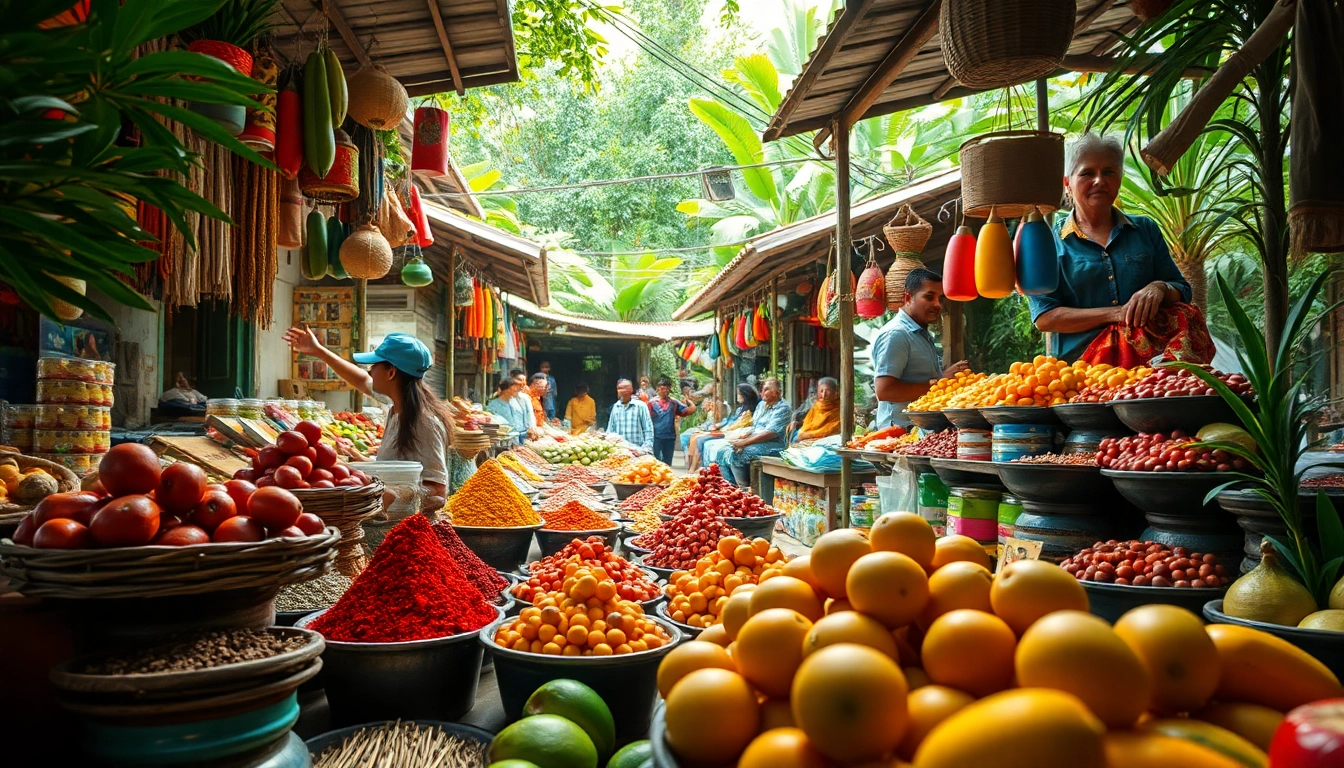
The Rich History of Hela Lanka
Hela Lanka, a term that resonates deeply with the rich cultural tapestry of Sri Lanka, represents more than just a geographical region. It embodies the history, traditions, and identity of the Sinhala people. As a significant part of the island’s heritage, Hela Lanka has witnessed countless transformations throughout the centuries, shaped by various influences that have left indelible marks on its landscape and culture. Understanding the evolution of Hela Lanka provides insight into its current vibrant identity and offers a glimpse into the future as it navigates modern challenges.
Exploring the Origins of the Name Hela Lanka
The name “Hela” derives from ancient narratives and signifies the Sinhala ethnicity, believed to have originated from local tribes in the region. Traditionally, “Hela” has been linked to the indigenous people of Sri Lanka, who inhabited the island long before external influences altered its demographics. Historically, the term has served not only as a means of identification but as a representation of the resilience and continuity of Sri Lankan culture.
Significant Cultural Milestones in Hela
Throughout history, Hela Lanka has been the site of pivotal cultural milestones. From the establishment of ancient kingdoms to the cultivation of Sinhala literature and art, each era has added layers to its identity. Events such as the arrival of Buddhism in the 3rd century BCE, which profoundly influenced Hela culture, can be seen in the numerous temples and stupas that dot the landscape.
Historical Influences Shaping Modern Hela Lanka
The Colonial era marked a significant turning point for Hela Lanka, as the island experienced Portuguese, Dutch, and British rule. Each colonial power brought new cultural dynamics, leading to a complex intermingling of traditions that can still be felt today. The blending of Western education systems and local practices has shaped modern Hela Lanka into a unique destination that honors its past while embracing contemporary values. This historical context is crucial for understanding Hela Lanka’s position in the global landscape today.
Exploring Hela Lanka’s Attractions
As travelers seek to understand the essence of Hela Lanka, they are met with a diversity of attractions that cater to a wide range of interests, from natural beauty to cultural experiences. Whether you’re an adventurer at heart or someone looking to immerse yourself in history, Hela Lanka offers something for everyone. For those looking to explore options, Hela Lanka provides comprehensive insights into local attractions and experiences that capture the spirit of this beautiful region.
Top Natural Wonders to Discover in Hela Lanka
Hela Lanka is blessed with breathtaking landscapes that range from pristine beaches to lush rainforests. The Knuckles Mountain Range, a UNESCO World Heritage site, offers hiking trails that unveil stunning vistas and endemic biodiversity. In addition, places like the Sinharaja Forest Reserve are vital for conservation efforts, housing a plethora of species unique to the region.
Cultural Festivals Celebrated in Hela Lanka
The vibrant culture of Hela Lanka is best experienced during its numerous festivals. The Sinhala and Tamil New Year, known locally as “Aluth Avurudu,” marks a significant celebration, blending traditional rituals with communal festivities. Other culturally rich events, such as Perahera—a grand procession featuring dancers, elephants, and traditional music—beautifully showcase Hela Lanka’s heritage.
Must-Visit Historical Sites in Hela Lanka
For history enthusiasts, Hela Lanka is dotted with ancient ruins and significant historical sites. The Temple of the Tooth Relic in Kandy, a sacred Buddhist site, and the ancient city of Anuradhapura stand as testaments to Sri Lanka’s rich past. These sites attract visitors from around the world, offering insights into Buddhist practices and the island’s royal history.
Traveling to Hela Lanka
Visiting Hela Lanka can be an enriching experience, but it requires some planning to navigate its unique landscape effectively. Understanding travel logistics is vital for making the most of your visit, from optimal transportation options to essential tips for first-time visitors.
Essential Travel Tips for First-Time Visitors
- Plan your itinerary around key festivals for an immersive experience.
- Learn a few basic Sinhala phrases to enhance communication with locals.
- Ensure you have adequate local currency for small purchases, as many places may not accept cards.
- Dress modestly when visiting religious sites.
Best Times to Experience the Beauty of Hela Lanka
The ideal time to visit Hela Lanka depends largely on the specific regions you plan to explore. Generally, the period from December to March experiences pleasant weather, making it perfect for outdoor activities and sightseeing. Alternatively, the monsoon season from May to October can bring heavy rains, particularly to the southwestern region; however, it also provides lush landscapes and fewer tourists.
How to Navigate Transportation in Hela Lanka
Getting around Hela Lanka can be a rewarding experience with multiple transportation options available. Public buses and trains provide budget-friendly ways to traverse the island, while tuk-tuks offer flexibility for short distances. For those seeking convenience, app-based ride services are gaining popularity in urban areas, making it easier for travelers to navigate through cities.
Local Cuisine: A Taste of Hela Lanka
The culinary landscape of Hela Lanka is a reflection of its diverse culture, featuring a plethora of flavors and ingredients native to the region. To truly appreciate Hela Lanka, indulging in its food culture is a must.
Traditional Dishes You Must Try
Among the traditional dishes that define Hela cuisine, “rice and curry” stands out as a staple, often accompanied by an array of vegetable curries, pickles, and sambols. “Hoppers” (a type of rice pancake) and “kottu roti” (chopped roti stir-fried with vegetables and meat) are also popular choices, showcasing the island’s unique culinary techniques.
Popular Local Markets and Eateries in Hela Lanka
Exploring local markets, such as Colombo’s Pettah Market, offers a sensory experience filled with vibrant colors and tantalizing aromas. Street food stalls and small family-run eateries provide authentic flavors of Hela Lanka, allowing visitors to savor local delicacies in a casual setting.
The Role of Food in Hela Lanka’s Culture
Food in Hela Lanka is not merely sustenance; it is intertwined with social rituals and traditions. Meals are often communal, reflecting the values of sharing and hospitality deeply embedded in Hela culture. Understanding and participating in these culinary practices fosters a deeper connection to the local community.
Sustainable Practices and Future Trends in Hela Lanka
As environmental concerns grow globally, Hela Lanka is actively pursuing sustainable practices to preserve its natural beauty and cultural heritage. The tourism industry plays a crucial role in this transition, advocating for eco-friendly initiatives and responsible travel.
Emerging Eco-Tourism Practices in Hela Lanka
Eco-tourism is on the rise, with tour operators increasingly promoting wildlife conservation and responsible travel. Nature reserves and eco-lodges are becoming popular as travelers seek to minimize their environmental footprint while enjoying the breathtaking natural surroundings of Hela Lanka.
Community Initiatives for Sustainable Development
Community-led projects aimed at sustainable development are gaining traction in Hela Lanka. Initiatives that focus on empowering local communities through education and environmental stewardship are crucial. These projects not only promote conservation but also provide economic opportunities for residents.
Predictions for Hela Lanka’s Growth in 2025 and Beyond
Looking ahead to 2025, Hela Lanka is poised for significant growth in both tourism and cultural preservation. With increasing global interest in unique travel experiences and sustainable practices, Hela Lanka must continue to adapt and innovate. The emphasis on preserving cultural heritage while promoting eco-friendly tourism is likely to enhance its appeal as a top destination in South Asia.