
 By admin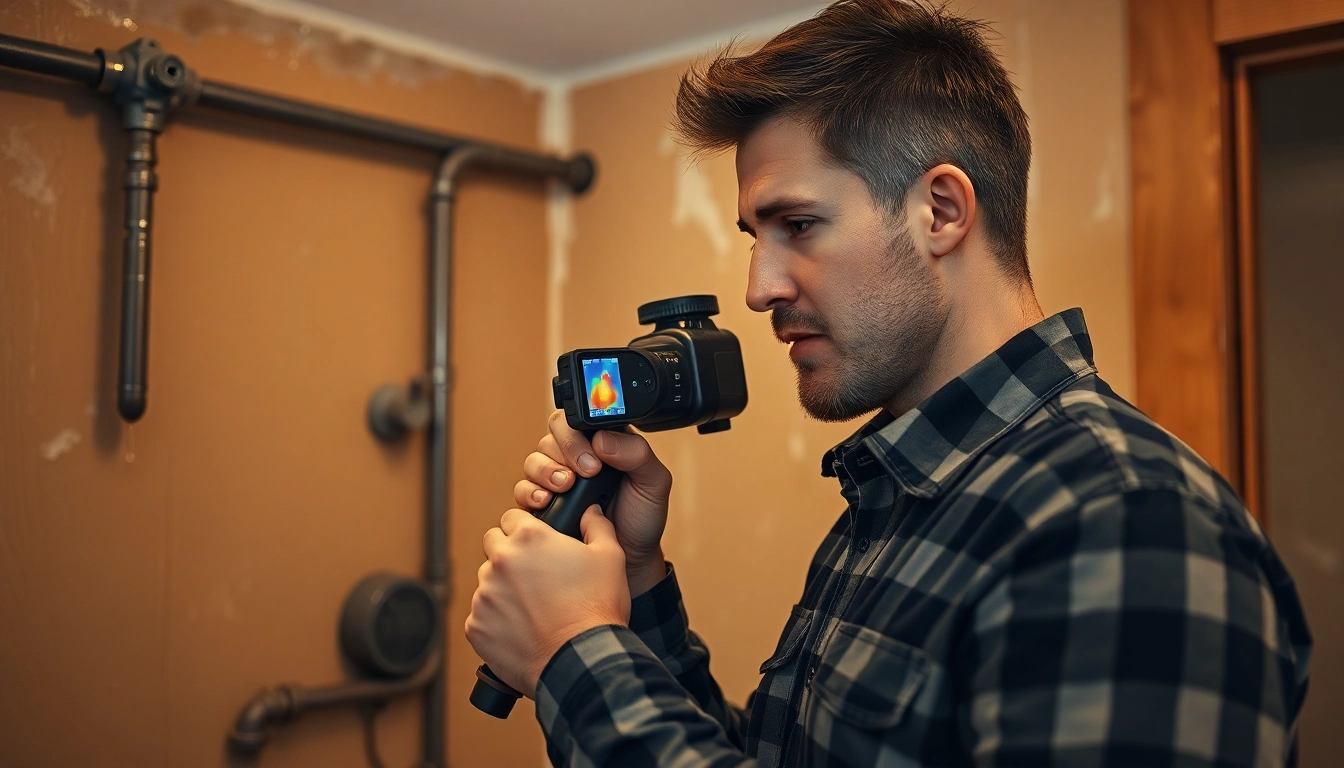
Understanding Hidden Leak Detection
Hidden leaks can devastate homes and contribute to escalating water bills. The consequences of ignoring these leaks can lead to structural damage, mold growth, and reduced home value. Understanding how to detect these leaks early is crucial for homeowners. Proper hidden leak detection can save you time and money, ensuring that your property remains safe and functional.
What is Hidden Leak Detection?
Hidden leak detection refers to the process of identifying water or gas leaks that are not visible to the naked eye. These leaks may occur within walls, under floors, or even beneath driveways, making them difficult to locate without specialized techniques. Advanced leak detection methods utilize cutting-edge technology to systematically assess and pinpoint the source of these leaks, ultimately avoiding significant property damage.
Common Signs of Hidden Water Leaks
Homeowners should be vigilant for various signs that may indicate hidden leaks:
- Water Stains: Dark or wet spots on walls or ceilings can signal a leak behind the surface.
- Increased Water Bills: A sudden spike in your water bill may suggest an undetected leak.
- Mold Growth: The presence of mold in areas with high moisture can indicate persistent leaks.
- Unusual Sounds: The sound of dripping or running water when systems are off may point to hidden leaks.
Why Early Detection is Crucial
Identifying leaks early can mitigate more severe consequences, including extensive water damage, structural issues, and costly repairs. Water issues can also lead to mold growth, which poses health risks to occupants. Moreover, delayed repairs can result in higher utility costs, as leaks typically contribute to wastage of water. Addressing these problems early enhances the safety and efficiency of your home.
Advanced Technologies for Leak Detection
Modern leak detection has evolved significantly, with various innovative tools and techniques available to homeowners. These technologies allow for accurate and non-invasive detection of leaks, minimizing disruption to your property.
Innovative Tools and Techniques
Some of the leading technologies used in hidden leak detection include:
- Thermal Imaging Cameras: These tools detect temperature variations in surfaces, revealing leaks behind walls and ceilings.
- Acoustic Listening Devices: These devices amplify the sound of water escaping from plumbing systems, even from hidden leaks.
- Moisture Meters: This technology helps assess moisture levels in walls and floors to pinpoint potential leak sites.
How Thermal Imaging Works
Thermal imaging involves capturing infrared images that reveal temperature differences within materials. When water escapes from a pipe, it often causes a temperature variation in the surrounding area. By using thermal imaging cameras, leak detection specialists can visualize these differences, efficiently locating the exact source of a leak without invasive probing.
Pressure Testing Explained
Pressure testing is a reliable method for detecting leaks in pressurized systems. Technicians isolate a section of the plumbing, pressurize it, and monitor for pressure drops, which indicate leaks. This technique is particularly effective in identifying hidden pipe failures, ensuring that the system is sealed before it is put back into use.
DIY Methods for Identifying Leaks
While professional assistance is often essential, homeowners can perform simple checks to identify potential leaks. Here are some DIY methods to consider before seeking professional services:
Simple Home Checks for Leaks
Regular inspections of your plumbing fixtures and appliances can help identify leaks. Look for:
- Damp Spots: Examine areas around toilets, sinks, and appliances like dishwashers for moisture.
- Running Water Sounds: Listen for continuous sounds of running water when fixtures are not in use.
- Unexplained Wetness: Check for wet patches on floors or carpets that cannot be explained.
Utilizing Your Water Meter
Monitoring your water meter can be an effective way to detect leaks. Note the meter reading, refrain from using water for a couple of hours, and then check it again. If the reading has changed, it may indicate a leak somewhere in your system.
When to Call a Professional
If your DIY checks indicate potential leaks or if you notice unexplained water accumulation, it’s time to call a professional. Expert leak detection specialists have the tools and experience necessary to accurately diagnose and repair hidden leaks, ensuring your home remains safe.
Choosing the Right Leak Detection Service
Selecting the appropriate leak detection service can be overwhelming. Homeowners must consider various factors to ensure they receive quality service and results.
What to Look for in a Leak Detection Specialist
When searching for a leak detection expert, prioritize the following:
- Experience: Look for companies with a proven track record in detecting and repairing leaks.
- Certifications: Ensure the technicians are certified and trained in the latest leak detection technologies.
- References: Request customer testimonials to gauge the quality of service provided.
Questions to Ask Potential Contractors
Engaging potential contractors in conversation can help you assess their capabilities. Key questions include:
- What methods and technologies do you use for leak detection?
- Can you provide a written estimate before commencing work?
- What is your warranty and guarantee policy on work performed?
Understanding Warranty and Guarantee Offers
Reliable leak detection services should offer clear warranties and guarantees on their work. This can provide peace of mind, ensuring that any issues detected after service will be addressed without additional charges. Before choosing a service, review their policies on warranties to understand what is covered and for how long.
Future Trends in Leak Detection
The landscape of leak detection is evolving rapidly, with emerging technologies set to enhance the efficiency and accuracy of identification methods in the coming years.
Emerging Technologies and Their Impact
Several innovative technologies are on the brink of transforming leak detection, including:
- Artificial Intelligence: AI algorithms can analyze data from leak detection devices to predict and prevent future leaks based on historical trends.
- Smart Sensors: The integration of IoT sensors in plumbing systems can provide real-time monitoring, alerting homeowners to leaks immediately upon detection.
- Advanced Analytics: Greater data analytics capabilities will enhance leak detection companies’ ability to analyze their service histories, improving future response times and techniques.
How Smart Home Systems Are Changing Detection
Smart home systems, including automated water shut-off systems, are set to redefine leak detection. These systems can promptly shut off water supply upon detecting leaks, minimizing damage and water loss. Integration with mobile applications allows homeowners to receive immediate alerts and monitor their home’s plumbing health at all times.
Predictions for Leak Detection Services in 2025
Looking ahead, we can expect significant advancements in the efficiency and accessibility of leak detection services. As technology progresses, the cost of advanced leak detection tools is likely to decrease, making them more widely available. Homeowners will increasingly leverage these technologies to maintain their properties proactively, reducing the impact of hidden leaks substantially.